Kitchen extract duct cleaning — the UK regulatory picture
Kitchen extract duct cleaning in the UK is not governed by a single statute. The regulatory picture sits across three documents — and understanding how they fit together is essential to defensible compliance.
1. The Regulatory Reform (Fire Safety) Order 2005
The legal foundation. The Order places a duty on the "responsible person" (typically the operator or owner) to assess and manage fire risk. Kitchen extract systems are explicit fire-risk items. The Order does not specify how the duty must be discharged — but it requires that the duty IS discharged, with documentary evidence.
2. The Workplace (Health, Safety and Welfare) Regulations 1992
Regulation 6 requires ventilation systems to be maintained in efficient working order and good repair. For kitchen extract, "efficient working order" is interpreted as "free of grease build-up sufficient to constitute a fire or hygiene risk." Regulation 6 is enforced by HSE.
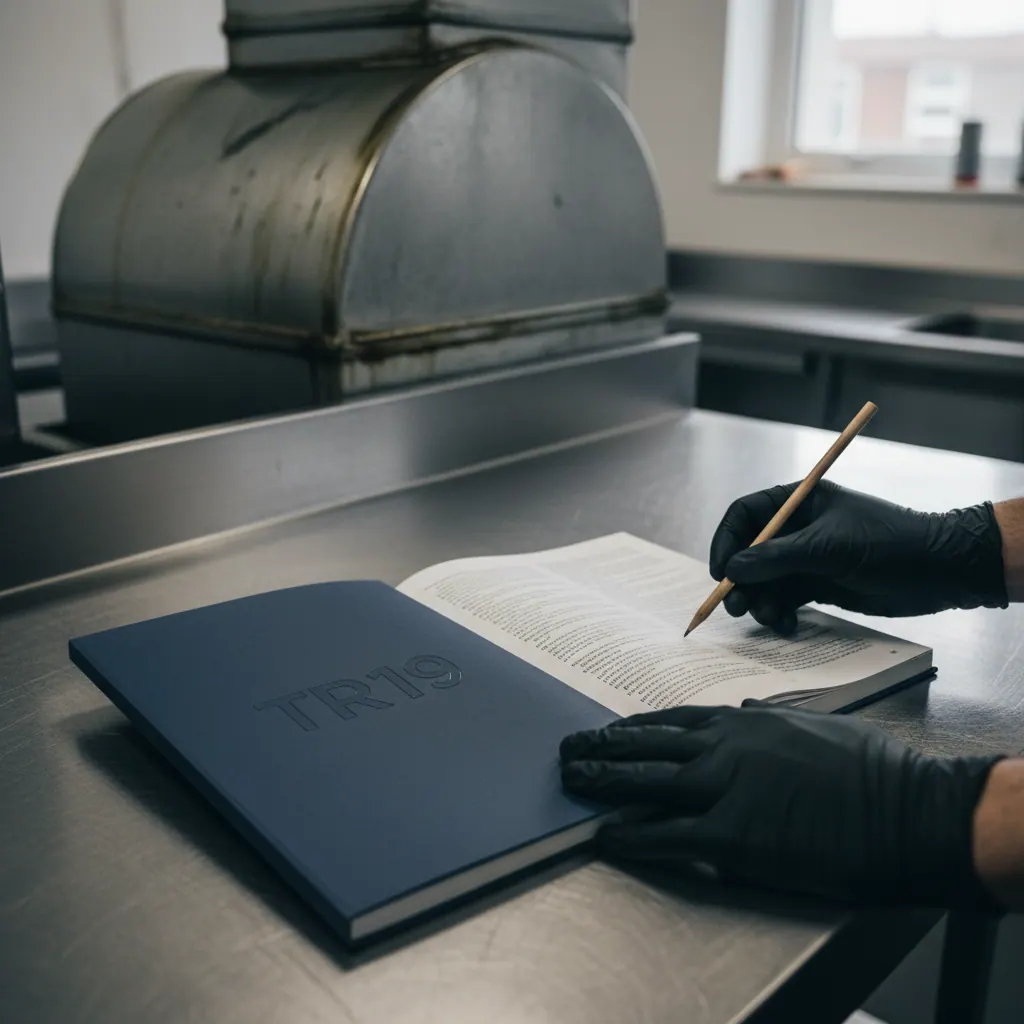
3. BESA TR19 Grease (2019)
The technical specification — the "how." TR19 is not statutory but is the recognised industry standard for evidencing compliance with the Fire Safety Order 2005 and the Workplace Regulations 1992. Insurers and EHOs accept TR19 certification as evidence of compliance.
How they fit together in practice
Operators discharge their statutory duty (Fire Safety Order, Workplace Regulations) by following the industry technical specification (TR19). The TR19 certificate is the documentary record that the duty has been met. After a kitchen fire, this is the trail loss adjusters and HSE inspectors walk back along.
What this means for your kitchen
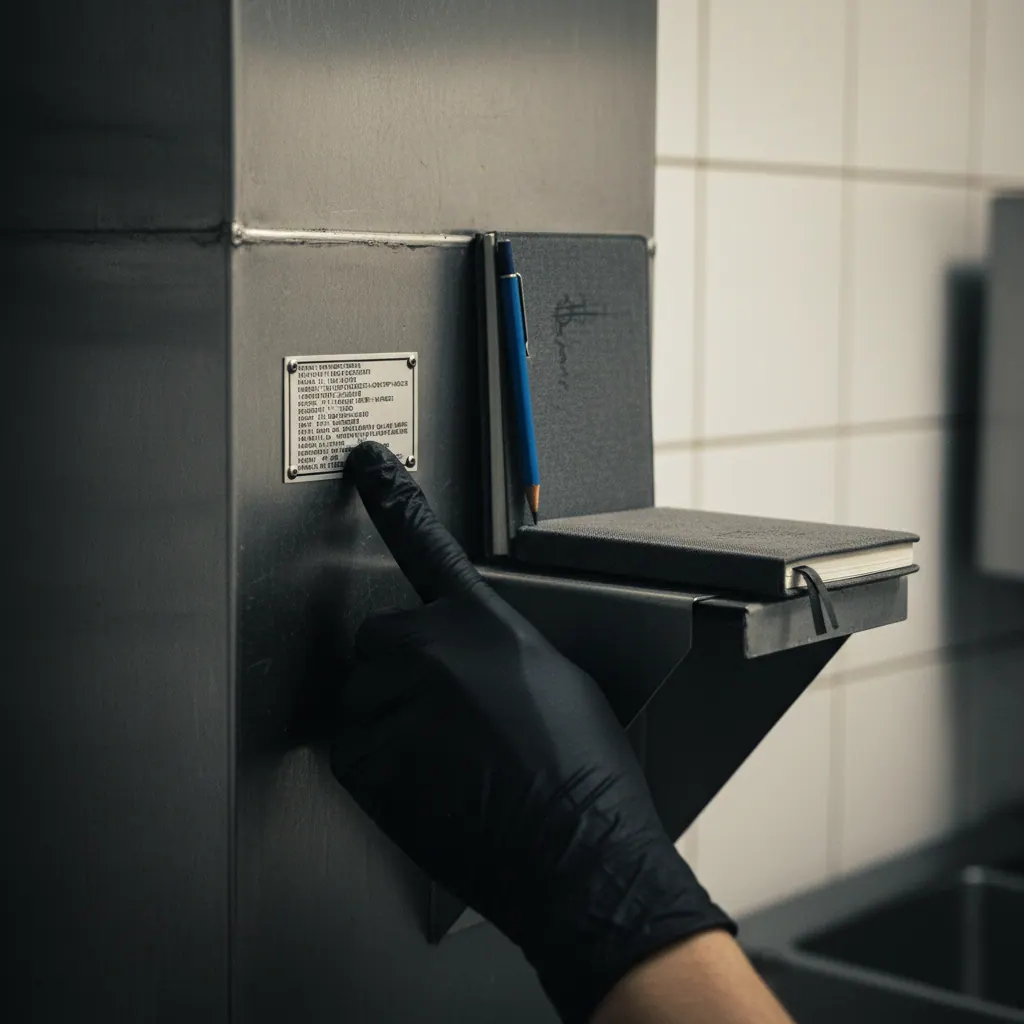
The headline obligation is clear: keep your kitchen extract system clean, in efficient working order, and prove it on paper. The way to do all three at once is to commission TR19-specification cleaning on the BESA-recommended frequency cycle, and to retain the certificates.
See our kitchen extract cleaning service for current pricing.